
Composition: 100% Sauvignon Blanc
Apellation: Aconcagua Valley
Vineyard source: Chilhué Estate
Alcohol: 13.5% by vol.
pH: 3.24 g/l
Total Acidity: 6.9 g/l (tartaric acid)
Residual Sugar: 1.55 g/l

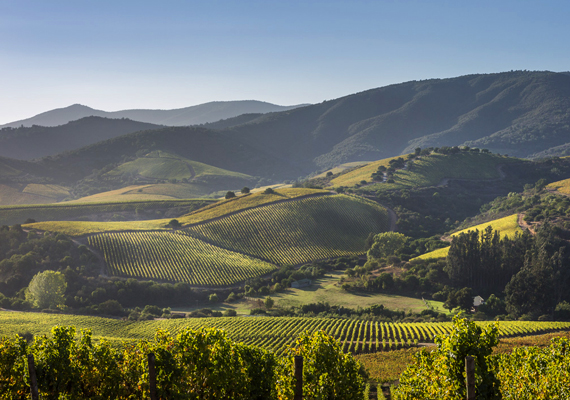
Chilhué, which means “the place of seagulls” in Chile’s native language, is a 1,047 hectare property with vineyards planted in 2005 on rolling hills just 14 km (8.7 mi) from the Pacific Ocean.


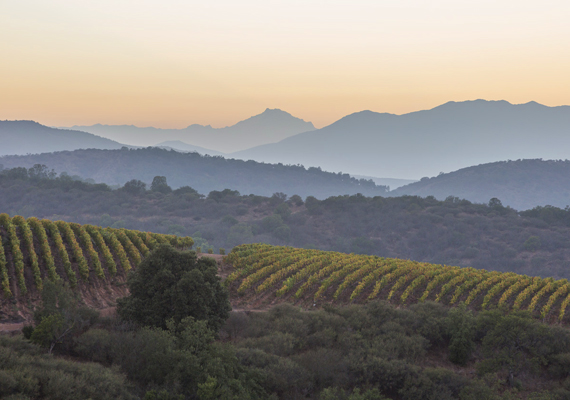
Chilhué Estate is a 1,047 hectare property, whose name means “the place of seagulls” in Chile’s native language. The vineyards were planted in 2005 on rolling hills just 14 km (8.7 mi) from the Pacific Ocean. Due to the proximity of the sea, temperatures are slightly cooler than those of the Casablanca Valley and have a mean January temperature of 18.8ºC (66ºF), which makes them very similar to those of Marlborough, New Zealand. The property’s altitude ranges from 100 to 300 m (330–985 ft). The soils have a thin, 40–80 cm (16–32 in) layer of loam over a clay and rock strata. These unique characteristics are ideal for growing cool climate grape varieties. To date, 21.5 hectares have been planted to drip-irrigated and vertically trellised Sauvignon Blanc clones 1, 107, 376, and 242.


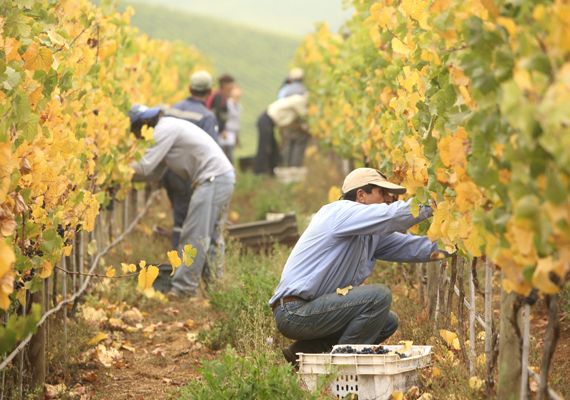
The fruit was hand-picked in the early morning hours and then carefully transported to the winery in small, 14kg (31lb) boxes. The grapes underwent a 3-hour pre-fermentation cold maceration at 10°C (50°F) to increase mouthfeel and aromatic expression before being pressed. To ensure a wine that truly portrays the typicity of Sauvignon Blanc, 100% of the juice was fermented in stainless-steel tanks at temperatures that fluctuated between 12°C and 15°C (54°– 59ºF) using yeasts that were especially selected for their ability to enhance aromatic compounds under cold temperature conditions. Special care was taken during every step of the process to prevent the grapes from coming into contact with oxygen in order to preserve their natural mineral flavours and freshness. This wine did not undergo malolactic fermentation.


This Sauvignon Blanc from Aconcagua is greenish-straw-yellow in colour with extraordinary aromatic intensity. Sharp on the nose, with mineral notes mixed with a herbaceous tone such as green chilli pepper, tomato leaf, and herbs. The very fresh palate offers mineral notes and crisp acidity. This is a typical cool-climate Sauvignon Blanc but with the exuberance and exotic fruits that lend it elegance and a pleasing finish.


Picking Dates: 28th of March to 5th of April

Historic averages:
· Mean temperature (Oct–Apr): 16.3ºC /29.3ºF
· Temperature oscillation (Oct–Apr): 13.8ºC /24.8°F
· Rainfall (year round): 354 mm (13.9 in)

The 2009 Aconcagua Costa white grape
harvest was exceptional. The heat summation in the coldest sector was 1,199 degree days and 1,322 in the warmest, confirming that this is indeed a cold-climate valley and therefore ideal for producing high quality Sauvignon Blanc, Chardonnay, and Pinot Noir. The yields obtained were very much in accordance with our projections. Vineyard work including canopy management very early in the season to adjust the shoots in accordance with plant vigour. The grapes were picked in March and very healthy, which allowed some pre-fermentation macerations to increase the aromatic complexity and intensity in the wines. The quality of the Sauvignon Blanc is excellent, with tremendous intensity, a lush mouthfeel, and plenty of nerve and freshness.
xxxxx
Composition: 100% Sauvignon Blanc
Apellation: Leyda Valley
Alcohol: 14.0% by vol.
pH: 3.05
Total Acidity: 5.94 g/l (tartaric acid)
Residual Sugar: 1.7 g/l

The grapes for our 2008 Arboleda Sauvignon Blanc come from the Leyda Valley, which is located south-west of the prestigious Casablanca winegrowing region.


The grapes for our 2008 Arboleda Sauvignon Blanc come from the Leyda Valley, which is located south-west of the prestigious Casablanca winegrowing region. An important difference between the two regions is that the Coastal Mountains protect Casablanca from the Pacific Ocean, while Leyda opens directly to the coast, which accentuates its maritime influence and gives rise to morning fog, fresh afternoon breezes, and a very cool climate throughout the entire growing season.


The fruit was hand picked and transported by refrigerated trucks to the winery in small 14kg (31lb) boxes. The grapes underwent a 6 to 10-hour cold soak to encourage a fuller range of aromas and flavours before the pneumatic pressing. The must was then fermented very clean (40–50 NTU) and cold (12°–15ºC / 53.6°–59°F) in stainless-steel tanks to preserve its aromatic potential and using yeasts that were especially selected for their ability to enhance aromatic compounds under cold temperature conditions.


A wine of great aromatic intensity that recalls the typical character of fruit that ripens in cold zones while protected from the sun in the Leyda Valley. Notes of fresh herbs predominate over the fruit. Typical notes of tomato leaf intermingle with fresh green chili (capsicum) and asparagus, all complemented by delicate citrus and mineral profiles. On the palate this is a fresh but elegant wine with mineral and citrus flavors. Easy to understand and a pleasure to drink.


Picking Dates: 31st of March to 5th of April

The 2008 vintage was unique in every sense. The winter of 2007 was one of the coldest and driest on record, and as a result, the soil moisture levels in the spring and prior to budbreak were considerably lower than in other years. This caused a 10 to 15-day delay in bud break in a number of varieties. Due to its proximity to the coast, the Leyda Valley has a high maritime influence that provides ideal temperatures for grape ripening, while the cool breezes and moderate temperatures allow this valley to maintain consistent quality over time, regardless of annual fluctuations.

Composition: 100% Chardonnay
Apellation: Casablanca Valley
Alcohol: 14.0% by vol.
pH: 3.1 g/l
Total Acidity: 6.4 g/l (tartaric acid)
Residual Sugar: 2.6 g/l

Located west of Santiago and just 32 km (20 miles) from the Pacific Ocean, the Casablanca Valley receives a coastal influence that moderates temperatures during the ripening period.


Located west of Santiago and just 32 km (20 miles) from the Pacific Ocean, the Casablanca Valley receives a coastal influence that moderates temperatures during the ripening period. The fresh sea breezes encourage gradual, easy ripening that conserves grape aromas and flavours and ensures desirable levels of acidity. These conditions make the Casablanca Valley a privileged place for producing cool-climate varieties such as Chardonnay. The vineyard was planted in 1997 with the 96, 548 and Mendoza clones, which produce different styles of fruit that enhance the complexity of the final blend. It features sandy, clay-loam low vigour soils and the vineyard management techniques include drip irrigation and vertical shoot positioning.


The grapes were hand-picked very early in the morning to keep the fruit cool and then brought to the winery in 12-kg cases. The fruit was gently whole-cluster pressed and the juice was fermented at 18°–24°C (57–75°) in French oak burgundy-type of barrels, 8% of which were new. Some of the lots were inoculated with selected yeasts, although a large portion (45%) was fermented with the wild yeasts that are naturally present on the grape skins. The wine aged on its lees for 8 months to enhance complexity, and 60% underwent malolactic fermentation. It was fined and bottled in February 2009.


Golden-yellow in colour with excellent depth. Highly intense aromas of tropical fruit such as cherimoya and mango are complemented by the sweet aromas that develop during oak-aging. The broad and persistent palate is heightened and supported by firm acidity, and tropical fruit flavours meld with a creamy texture for a persistent, elegant finish.


Picking Dates: Third week of March to third week of April

Historic Average:
Heat Summation (Oct-Apr): 1,433 degree days
Mean Temperature (Oct-Apr): 16.8 º C / 62º F
Temperature Oscillation (Oct-Apr): 16.5º C / 29.7º F
Rainfall (year round): 448 mm / 17.6 in

The winter of 2007 was one of Chile's coldest and driest in 40 years, which resulted in a number of consequences for the 2008 vintage.


Composition: 100% Pinot Noir
Apellation: Casablanca Valley
Alcohol: 14.5% by vol.
pH: 3.62
Total Acidity: 5.41 g/l (tartaric acid)
Residual Sugar: 2.63 g/l

The grapes that go into our 2007 Arboleda Pinot Noir come from our La Escultura vineyards, which is located west of Santiago in the Casablanca Valley.


The grapes that go into our 2007 Arboleda Pinot Noir come from our La Escultura vineyards, which is located west of Santiago in the Casablanca Valley. Just 20 miles from the Pacific Ocean, it is affected by cool coastal breezes that moderate the temperatures during the ripening period. This allows the grapes to ripen gradually and completely while developing pleasing aromas and flavours and maintaining desired acidity levels, which makes the Casablanca Valley particularly suitable to grow the Pinot Noir variety.


Our 2007 Arboleda Pinot Noir is made by fermenting the grapes with the native yeasts that are naturally present on their skins. These native strains provide a broader combination and proportion of biological products than commercial yeasts do because of the stressful conditions that native yeast are subjected to during the fermenting process, and this allows the wine to develop distinctive aromas and flavours that bring more complexity.


Bright ruby red colour, our 2007 Arboleda Pinot Noir features floral aromas of red roses and violets, along with red fruits with a light touch of smoke and earth on the nose. The palate shows good volume accompanied by intense cherry and strawberry flavours. Well-balanced acidity lends pleasing freshness that combines with an elegant French oak suppleness and ends with a very long finish.


Picking Dates: 17th to 19th of April

Historic Averages:
Heat Summation (Oct–Apr): 1,460 degree days
Mean Temperature (Oct–Apr): 17.1°C / 62.8ºF
Temperature Oscillation (Oct–Apr): 18.3°C / 32.9°F
Annual Rainfall: 450 mm / 17.7 inches

Temperature records confirm that the 2006– 2007 season was a relatively cold one. The final heat summation of 1,401 degree days was very close to the prior season, and 59 degree days below the average of past six years.

Composition: 90% Merlot
10% Carmenère

Apellation: Valle de Aconcagua
Alcohol: 14.5% by vol.
pH: 3.45
Total Acidity: 5.86 g/l (tartaric acid)
Residual Sugar: 2.96 g/l

The grapes for our Arboleda Merlot 2008 were grown in our Las Vertientes vineyard in the Valle de Aconcagua. The region features an extended dry summer with moderately warm days cooled by soft evening breezes blowing in from the Pacific Ocean, 50 km (30 mi) to the west.

The grapes for our Arboleda Merlot 2008 were grown in our Las Vertientes vineyard in the Valle de Aconcagua. The region features an extended dry summer with moderately warm days cooled by soft evening breezes blowing in from the Pacific Ocean, 50 km (30 mi) to the west. The Las Vertientes vineyard was planted in 1999 and includes 6.5 hectares of 181 clone Merlot. This wine was made of grapes from two blocks—El Palto and Parado, both original rootstock. The riverbed soils are relatively shallow and loamy in texture with 20% stone, which allows for excellent drainage. This quality is responsible for their moderate vigour and a canopy distribution with well balanced foliage and fruit load.

· Altitude: Las Vertientes sits at an altitude of 380–590 m (1247–1935 feet) above sea level.

· Climate: Mediterranean with an extended dry season and winter rainfall.

The grapes were harvested and carefully sorted by hand, then gently crushed and deposited in stainless steel tanks. Approximately half of the batches were cold-macerated at 10°C (50°F) for 3–5 days before fermentation to enhance color extraction and fruit expression in the wines. Fermentation took place at 24–28°C (75–82°F) with three pumpovers daily of 50–150% of volume, depending on the level of extraction desired. Maceration lasted from 15–30 days, depending on how each batch developed. 100% was aged for 12 months in 47% new oak barrels, 92% French and 8% American.

A deep ruby-red colour with violet highlights. The nose divulges a full spectrum of aromas dominated by red fruit and spices such as black pepper, all complemented by notes of toast and smoke from the barrel aging. Firm tannins appear first on the palate, delivering great structure that is expansive, lavish and rich in volume. The red fruit mingles with tobacco and smoke aromas that enhance the wine’s overall complexity and elegance. A very vibrant wine with an excellent cellaring potential.

Picking Date: Last week of March.

Historic Averages:
• Mean Temperature (Oct-Apr): 18.7°C/66°F
• Temperature oscillation (Oct-Apr): 18.2°C/32.8°F
• Rainfall (year-round): 250 mm/10 in

Las Vertientes experienced a cold year, with a heat summation for the 2007-2008 season of only 1,603 degree days, 30 days less than in the previous year (1,633 degree days) and 82 less than the historic average (1,685). The different phenological stages (flowering, fruit set, veraison, and ripening) were affected by the cold, dry winter. Only 92 mm (3.6 in) of rain fell, 60% under the historic average, while mean monthly temperatures were lower than the previous season. More accumulated cold hours and winter frosts were also recorded, which caused budbreak to occur 10-15 days later, though more evenly, than in the previous year. In March, temperatures were still 1.5% below those of the previous year and 5.6% under historic averages. In all, because of the cold year in this sector of the Valle de Aconcagua, harvesting was concentrated mainly in April and the first week of May, with a distribution similar to the 2006 harvest, and later than in 2003, 2004, 2005 and 2007.


Composition: 90% Carmenère
10% Syrah

Apellation: Colchagua Valley
Alcohol: 14.0% by vol.
pH: 3.4
Total Acidity: 5.9 g/l (tartaric acid)
Residual Sugar: 1.8 g/l

The grapes for our 2007 Arboleda Carménère were rigorously selected from our vineyard in the Colchagua Valley 200 km (124 mi) south of Santiago. The region’s climate features rainy winters and dry summers.


The grapes for the 2008 Carmenère Arboleda were rigorously selected in our vineyard in the Colchagua Valley, 200 kilometers (120 mi) south of Santiago. The region features rainy winters and dry summers. The grapes that make up this blend came from vines planted in 1997 in the deep, clay-loam soils typical of the Colchagua Valley. The vineyard is vertically trained and drip irrigated, which allows for strict control to achieve balance and keep yields low.


The grapes were harvested, carefully inspected on a sorting table, and then deposited in stainless steel tanks, where fermentation occurred at 26–30°C (79–86°F). During fermentation, aerated pumpovers were conducted repeatedly to help polymerize the reactive tannins, eliminating any possible grassy notes while helping to fix the color of the wine. This further enhanced the excellent expression of fresh fruit in the wine. After a maceration period of 20-30 days, the final blend was aged for 12 months in 70% French, 30% American oak barrels, 43% new.


This wine has a deep violet color, with expressive aromas of black fruit, ink and tea on the nose. On the palate, notes of sweet spices such as cinnamon and cloves mingle with a delicate backdrop of black pepper and tobacco that enhances elegance and complexity. The Carmenère brings its great structure, spices and black fruit, while the Syrah lends smooth, round tannins. A wine with an intense, persistent finish.


Picking date:
Carmenère: May 10
Syrah: April 9–16

Historic Averages:
Average Temperature October-April: 17.8°C/64°F
Temperature Oscillation October-April: 20.6°C/37°F
Rainfall (year-round): 700 mm/27.6 in

The Colchagua Valley had a warm 2007-2008 season, with a recorded heat summation of 1,700 degree days, 6.4% above the previous year (1,598 degree days) and 2.4% higher than the historic average (1,660 degree days). The different phenological stages (flowering, fruit set, veraison, and ripening) were affected by the cold, dry winter, which saw average monthly temperatures lower than the previous season, more accumulated cold hours, and winter frosts. This caused budbreak to occur 10-15 days later, although more uniformly, than in the previous season. The high temperatures recorded in January, February and March quickened the pace of ripening, leading to an early harvest, with a significant decrease in yields among red varieties.

Composition: 100% Syrah
Apellation: Valle de Aconcagua
Alcohol: 14.0% by vol.
pH: 3.5
Total Acidity: 5.9 g/l (tartaric acid)
Residual Sugar: 2.8 g/l

The grapes for our Syrah Arboleda 2008 were grown in our Las Vertientes vineyard in the Valle de Aconcagua. The region has an extended dry season with moderately warm summer days that are cooled by soft evening breezes that blow in from the Pacific Ocean. The Syrah vines at Las Vertientes were planted in 2000 with French 300 and 174 clones.


The grapes for our Syrah Arboleda 2008 were grown in our Las Vertientes vineyard in the Valle de Aconcagua. The region has an extended dry season with moderately warm summer days that are cooled by soft evening breezes that blow in from the Pacific Ocean. The Syrah vines at Las Vertientes were planted in 2000 with French 300 and 174 clones. The vineyard’s deep riverbed soils have a high stone content (50–70% of total volume, on average), which provides excellent drainage and medium vigour, which is especially suited to this highly productive variety. The Syrah variety produces wines with intense, vibrant colours, but the high daytime/night time temperature oscillation in this part of the Valle de Aconcagua—which averages 20°C (36°F) in the weeks leading up to harvest time—boosts color intensity even more and produces sweet, elegant tannins.


The grapes were hand picked and inspected on a sorting table and then gently crushed before being deposited in stainless steel tanks, where fermentation took place at 24–28°C (75–82°F) with three daily pumpovers. 23% of the fruit was fermented with native yeast to enhance the complexity of the blend. The total maceration time averaged 20 days, but varied according to the development of each batch. The final blend was aged for 12 months in 79% French and 21% American oak barrels, 42% new..


An intense purplish-red color, the nose offers crispness with floral notes that evoke lavender and violets, combined with spiced touches and abundant red and black fruit. On the palate this is a lively wine with excellent acidity that refreshes and brings out the fresh fruit this variety possesses, followed by black pepper, accompanied by sweet spices such as nutmeg and cinnamon. This wine has great structure owing to its fine, youthful tannins. A wine with a lengthy cellaring potential.


Picking Date: April 15–May 7 Historic Averages

• Mean Temperature (Oct-Apr): 18.7°C/66°F
• Temperature Oscillation (Oct-Apr): 18.2°C/32.8°F
• Rainfall (year-round): 250 mm/10 in
Las Vertientes experienced a cold year, with a heat summation of only 1,603 degree days for the 2007-2008 season, 30 days less than in the previous year (1,633 degree days) and 82 less than the historic average (1,685). The different phenological stages (flowering, fruit set, veraison, and ripening) were affected by the cold, dry winter. Only 92 mm (3.6 in) of rain fell, 60% under the historic average, while mean monthly temperatures were lower than the previous season. More accumulated cold hours and winter frosts were also recorded, which caused budbreak to occur 10-15 days later, though more evenly, than in the previous year. In March, temperatures were still 1.5% below those of the previous year and 5.6% under historic averages. In all, because of the cold year in this sector of the Valle de Aconcagua, harvesting was concentrated mainly in April and the first week of May, with a distribution similar to the 2006 harvest, and later than in 2003, 2004, 2005 and 2007.

Composition: 85% Cabernet Sauvignon
15% Cabernet Franc
Apellation: Valle de Aconcagua
Alcohol: 14.0% by vol.
pH: 3.42 g/l
Total Acidity: 5.9 g/l (tartaric acid)
Residual Sugar: 1.8 g/l

The grapes used in our 2008 Arboleda Cabernet Sauvignon were grown in our Las Vertientes vineyard in the Valle de Aconcagua, 50 kilometers (30 mi) from the Pacific Ocean.


The grapes used in our 2008 Arboleda Cabernet Sauvignon were grown in our Las Vertientes vineyard in the Valle de Aconcagua, 50 kilometers (30 mi) from the Pacific Ocean. The region features a long dry season with moderately warm summer days cooled by light afternoon breezes from the Pacific Ocean. The vineyard’s riverbed soils were formed by land washes and mud deposits. The soil here has a shallow loam layer overlying the deeper loamy subsoil with 30% stone content, which provides excellent drainage and medium vigor, resulting in a balanced canopy distribution. The Las Vertientes vineyard was planted in 1999 and 2000 with 32 hectares of Cabernet Sauvignon.


The grapes were picked and closely inspected by hand, then gently crushed and deposited in stainless steel tanks. Fermentation took place at 24–28°C (75-82°F), with three pumovers performed daily with 50–150% of the tank volume to suit the desired level of extraction. Maceration lasted from 20–30 days, depending on how each lot developed. The final blend was aged for 12 months in 88% French and 12% American oak barrels, 44% new. To enhance complexity in the final blend, a small percentage of Cabernet Franc was added for its structure and black fruit notes, which emphasize the wine’s fresh fruit qualities and elegance.


A deep ruby red colour, on the nose this wine divulges expressive aromas of fresh-picked red fruit that combines notes of cherry, blackberry, blueberry , and strawberry with subtle touches of caramel, vanilla and spices from the barrel aging. The palate is full of fruit, especially red fruit, admirably accompanied by licorice, chocolate and caramel sensations that enhance the overall complexity. Extremely persistent and refined, this is a Cabernet Sauvignon with fine, firm tannins that give it an excellent cellaring potential.


Last two weeks of April to the first week of May.

Historic Averages:
Mean Temperature (Oct-Apr): 18.7°C/66°F
Temperature Oscillation (Oct-Apr): 18.2°C/32.8°F
Rainfall (year-round): 250 mm/10 in

Las Vertientes experienced a cold year, with a heat summation of only 1,603 degree days for the 2007-2008 season, 30 units less than in the previous year (1,633 degree days) and 82 less than the historic average (1,685). The different phenological stages (flowering, fruit set, veraison, and ripening) were affected by the cold, dry winter. Only 92 mm (3.6 in) of rain fell, 60 less than the historic average, while mean monthly temperatures were lower than the previous season. More accumulated cold hours and winter frosts were also recorded, which led to a budbreak 10-15 days later, though more uniform, than in the previous year. In March, temperatures were still 1.5% below those of the previous year and 5.6% under historic averages. In summary, the cold year in this sector of the Valle de Aconcagua concentrated harvesting in April and the first week of May, with a distribution similar to the 2006 harvest and later than in 2003, 2004, 2005 and 2007.


Composition: 85% Cabernet Sauvignon
15% Cabernet Franc
Apellation: Valle de Aconcagua
Alcohol: 14.0% by vol.
pH: 3.42 g/l
Total Acidity: 5.9 g/l (tartaric acid)
Residual Sugar: 1.8 g/l

The grapes used in our 2008 Arboleda Cabernet Sauvignon were grown in our Las Vertientes vineyard in the Valle de Aconcagua, 50 kilometers (30 mi) from the Pacific Ocean.


The grapes used in our 2008 Arboleda Cabernet Sauvignon were grown in our Las Vertientes vineyard in the Valle de Aconcagua, 50 kilometers (30 mi) from the Pacific Ocean. The region features a long dry season with moderately warm summer days cooled by light afternoon breezes from the Pacific Ocean. The vineyard’s riverbed soils were formed by land washes and mud deposits. The soil here has a shallow loam layer overlying the deeper loamy subsoil with 30% stone content, which provides excellent drainage and medium vigor, resulting in a balanced canopy distribution. The Las Vertientes vineyard was planted in 1999 and 2000 with 32 hectares of Cabernet Sauvignon.


The grapes were picked and closely inspected by hand, then gently crushed and deposited in stainless steel tanks. Fermentation took place at 24–28°C (75-82°F), with three pumovers performed daily with 50–150% of the tank volume to suit the desired level of extraction. Maceration lasted from 20–30 days, depending on how each lot developed. The final blend was aged for 12 months in 88% French and 12% American oak barrels, 44% new. To enhance complexity in the final blend, a small percentage of Cabernet Franc was added for its structure and black fruit notes, which emphasize the wine’s fresh fruit qualities and elegance.


A deep ruby red colour, on the nose this wine divulges expressive aromas of fresh-picked red fruit that combines notes of cherry, blackberry, blueberry , and strawberry with subtle touches of caramel, vanilla and spices from the barrel aging. The palate is full of fruit, especially red fruit, admirably accompanied by licorice, chocolate and caramel sensations that enhance the overall complexity. Extremely persistent and refined, this is a Cabernet Sauvignon with fine, firm tannins that give it an excellent cellaring potential.


Last two weeks of April to the first week of May.

Historic Averages:
Mean Temperature (Oct-Apr): 18.7°C/66°F
Temperature Oscillation (Oct-Apr): 18.2°C/32.8°F
Rainfall (year-round): 250 mm/10 in

Las Vertientes experienced a cold year, with a heat summation of only 1,603 degree days for the 2007-2008 season, 30 units less than in the previous year (1,633 degree days) and 82 less than the historic average (1,685). The different phenological stages (flowering, fruit set, veraison, and ripening) were affected by the cold, dry winter. Only 92 mm (3.6 in) of rain fell, 60 less than the historic average, while mean monthly temperatures were lower than the previous season. More accumulated cold hours and winter frosts were also recorded, which led to a budbreak 10-15 days later, though more uniform, than in the previous year. In March, temperatures were still 1.5% below those of the previous year and 5.6% under historic averages. In summary, the cold year in this sector of the Valle de Aconcagua concentrated harvesting in April and the first week of May, with a distribution similar to the 2006 harvest and later than in 2003, 2004, 2005 and 2007.