
ESPAÑOL HOME AGENTS CONTACT US


El contenido de esta página requiere una versión más reciente de Adobe Flash Player.

Obtener Adobe Flash Player

 
About Arboleda
Biodiversity Hotspot
Sauvignon Blanc
Pinot Noir
Syrah
Carmenere
Cabernet Sauvignon
Arboleda Vineyards
Winemaker
Accolades
The Latest News
Gallery

CHARDONNAY 2011
Download Technical Sheet

Appellation: Valle de Aconcagua
Composition: 100% Chardonnay
Alcohol: 13.5 % by vol.
PH: 3.25
Total Acidity: 7.31 g/l (tartaric acid)
Residual Sugar: 3.36 g/l

VINEYARD
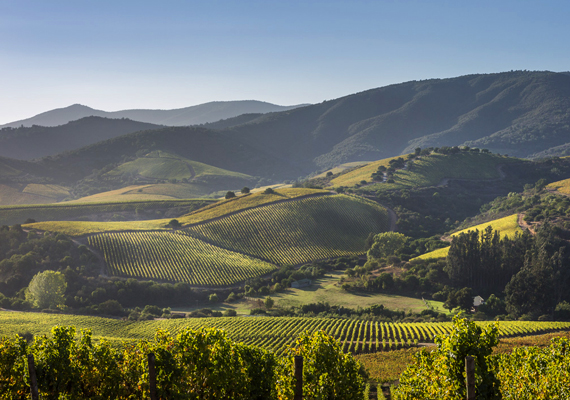
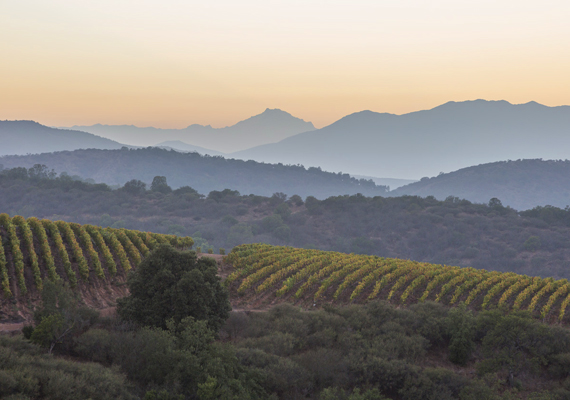
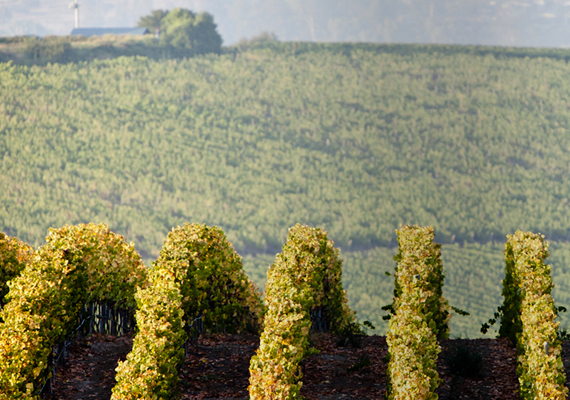
Chilhué Estate is a 1,047-hectare property whose name means “the place of seagulls” in Chile’s native language. Due to its proximity to the sea, temperatures are slightly cooler than those of the Valle de Casablanca and have a mean January temperature of 18.8oC (66oF), which makes its conditions very similar to those of Marlborough, New Zealand. The property’s altitude ranges from 100 to 300 m (330–985 ft). The soils have a thin, 40–80 cm (16–32 in) layer of loam over a clay and rock. These unique characteristics are ideal for growing cool-climate grape varieties. The vineyards were planted in 2005 and 2009 on rolling hills just 12 km (7.5 mi) from the Pacific Ocean. To date, 35 hectares have been planted to Chardonnay clones 548, 95, and 76. Clone 548 produces grapes with tremendous concentration and structure, while those from clone 95 produce highly aromatic grapes with citrus and tropical fruit notes. Clone 76 is very well adapted to cool climate conditions and ripens quite early.

Climate: Rainfall is restricted to the winter months. Summer days are moderately warm with morning fog and cool afternoon breezes.
Soil: Thin layer of loam over a layer of rocky-clay.

HARVEST NOTES
Harvest Date: March 17–30

Historic averages:
• Mean temperature (Oct–Apr): 16.3oC /29.3oF
• Temperature oscillation (Oct–Apr): 13.8oC /24.8°F
• Rainfall (year round): 354 mm.

A mild winter resulted in an early budbreak at our Aconcagua Costa property (late July in the highest zones), but temperatures fell again in early September, which delayed shoot growth. High, low, and mean temperatures were approximately 1.8°C/3.2°F lower than those at the same time the previous year. The vines evolved as they did the previous season. Mean temperatures in April, however, were lower than in the previous season, which meant that harvest began one week later than the previous year. No frost was recorded during the growing season. The final heat summation was 1,158 degree days, 41 fewer than in 2009. In regard to production, colder than usual temperatures in November affected fruit set, resulting in yields that were 25% below those expected for the white varieties. This resulted in a harvest of very high quality, concentration, and fruit expression with very healthy grapes that led to an extremely expressive, concentrated, and high-quality Chardonnay.

VINIFICATION
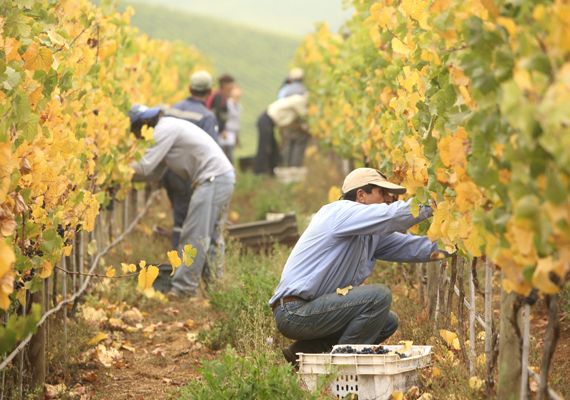
The grapes were hand picked very early in the morning to keep the fruit cool and then brought to the winery in 12-kg boxes. The fruit was gently whole-cluster pressed and the juice was fermented with native yeasts at 18°–22°C (57–75°F) in French oak burgundy-type barrels, 10% of which were new. The wine aged on its lees for 8 months to enhance complexity and creaminess, and 60% underwent malolactic fermentation.

WINEMAKER'S COMMENTS
Due to its delicate vinification process this pale yellow Chardonnay offers layer upon layer of intense aromas such as fresh fruit, citrus, and floral notes framed by fine herbal notes. Oak fermentation and aging contribute aromas of toast, toffee and hazelnut, complemented by the wine’s complex and elegant aromatic profile. Big-bodied and fat on the palate, with enough acidity to lend freshness, enhance its fruity flavours, and promise plenty of cellaring potential.